
Public Humanities Fellows : Former Fellows
2023-2024 Public Humanities Fellows
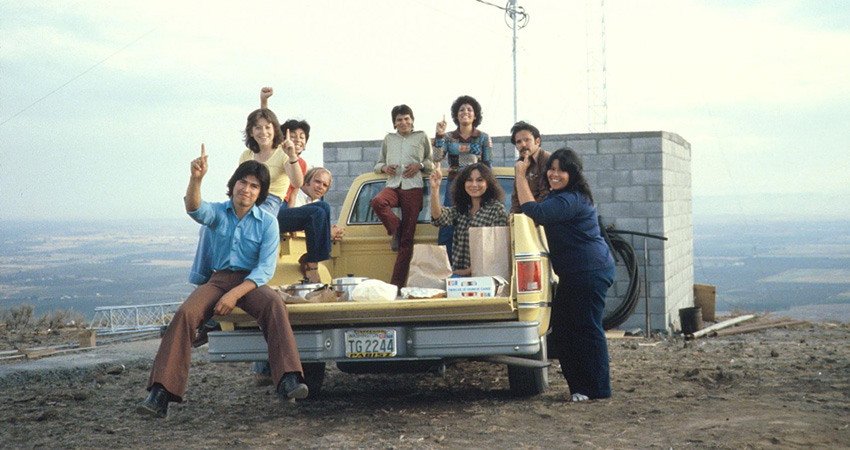
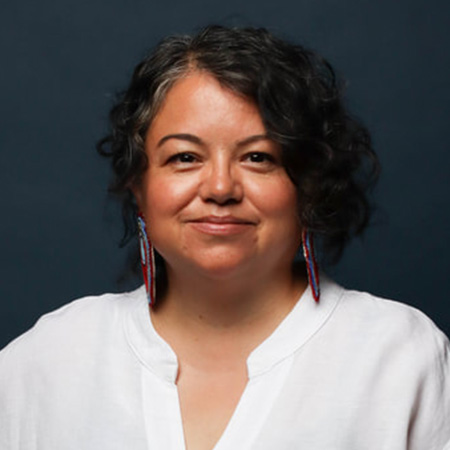
Fellow: Yesenia Navarrete Hunter
Seeking to bring diverse communities together to learn more about how groups shape place and build communities, Yesenia produced a series of events titled, “We Are Neighbors / Somos Vecinos.” Neighbors of all backgrounds were invited to attend and participate in creating cross-cultural dialogue across the Yakima Valley. Topics included: “Que Cora La Voz: Spanish Radio in the Yakima Valley,” “Songs over Sagebrush: The Creative Lives and Poetry of Japanese Women on the Yakama Reservation,” and “Quinceañera Dreamscapes and Desires.”
Yesenia Navarrete Hunter (she/her/ella) is an artist, musician, and scholar. She is an Assistant Professor of History at Heritage University in Washington State. Her book “Entangled Histories of Land and Labor” centers on the braided histories of immigrants and Native Americans in the Pacific Northwest.
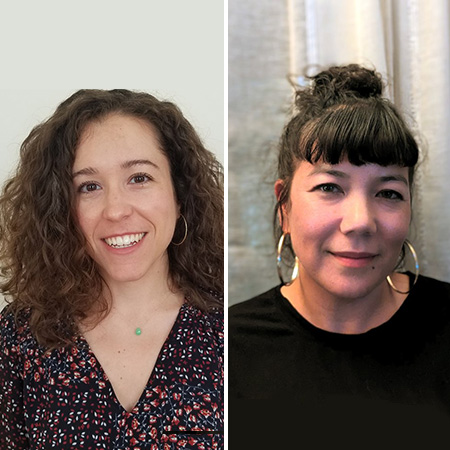
Fellows: Taiko Aoki-Marcial and Cristina Sánchez-Martín
Taiko and Cristina created a digital project to collect, translate, and share traditional stories from immigrant and refugee language learners in the Seattle area. The project aims to support the goals of community members to improve their language abilities while also creating a cultural and linguistic public digital archive.
Taiko Aoki-Marcial (she/her/ella) is a PhD candidate in English Language and Rhetoric at the University of Washington. In addition to her work at the university, she teaches and consults on curriculum development for local nonprofits working with adult immigrant and refugee learners, and is editorial assistant for National Council of Teachers of English book series, Studies in Writing and Rhetoric.
Cristina Sánchez-Martín (she/her/ella) is an assistant professor of English at the University of Washington. Through expansive and decolonial orientations to language education, she aims to create, cultivate, and support opportunities, spaces, and systems that challenge such inequities alongside other activists and teacher-scholars.
Fellow: Drew Gamboa
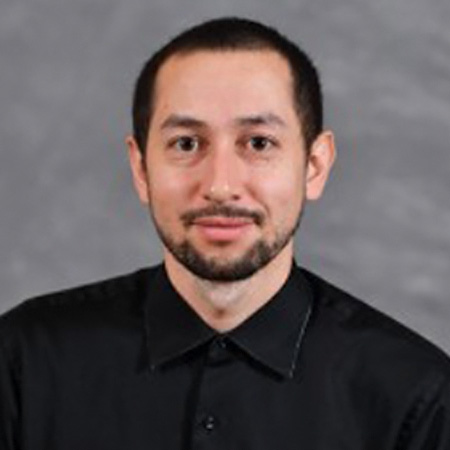
Drew created a digital story map to share how people retain community connection inside and outside of incarceration. The project focuses on the experiences of two Mexican American groups that organized themselves at Walla Walla State Penitentiary and McNeil Island Federal Penitentiary in the late-1960s to mid-1970s. In addition to the story map, this project includes an open-source website sharing the types of partnerships, systems of support, and contributions people incarcerated have had in the state of Washington.
Drew Gamboa (he/him/they) is a graduate student at Washington State University (WSU), pursuing a PhD in history. Over the past few years, Drew has been involved with heritage and advocacy projects pertaining to Mexican American and rural communities of the Pacific Northwest.
2022-2023 Public Humanities Fellows
Fellow: Avery Dame-Griff
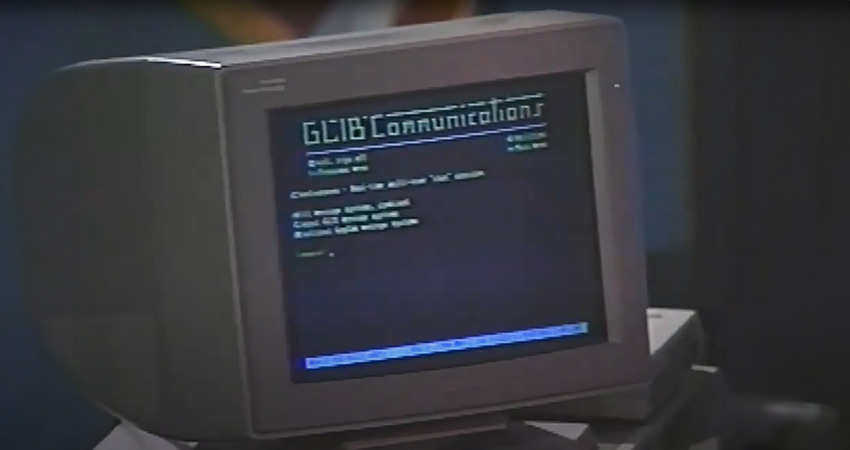
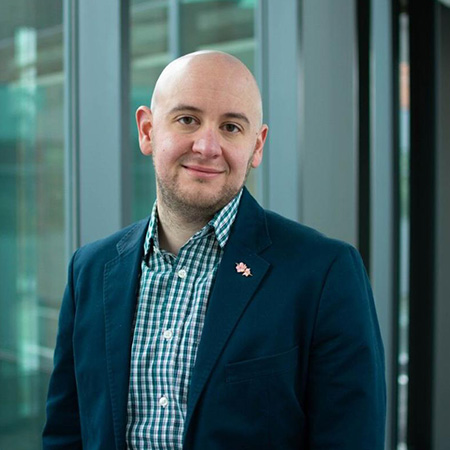
Avery created an interactive online exhibit and series of workshops about the history of LBGTQ+ communities in online spaces. These educational resources are targeted at high school and college students, filling a gap in both web history and queer studies.
Avery Dame-Griff (he/him) is a Lecturer in Gender and Women’s Studies at Gonzaga University. He also founded and serves as primary curator of the Queer Digital History Project (queerdigital.com), an independent community history project cataloging and archiving pre-2010 LGBTQ spaces online. His book, The Two Revolutions: A History of the Transgender Internet, tracks how the internet transformed transgender political organizing from the 1980s to the contemporary moment.
Fellow: Megan Torgerson
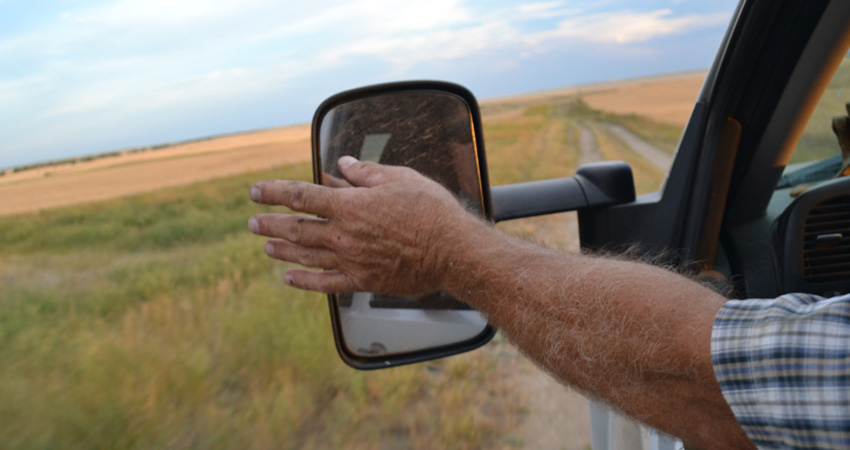
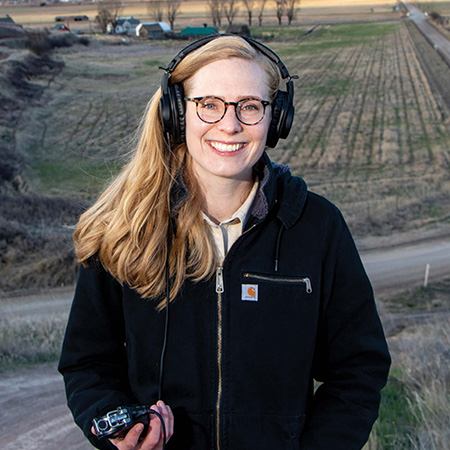
Megan produced a new series of her podcast “Reframing Rural,” which shares under-told stories of people and places in our country’s most sparsely populated regions. “Reframing Rural” explores the resiliency of rural communities, calls attention to the interconnectedness of rural and urban geographies, and ultimately cultivates curiosity and conversation across geographic, class, and cultural divides.
Megan Torgerson (she/her) is a writer, creative entrepreneur and founder of the podcast, Reframing Rural. Megan holds an MFA in Arts Leadership from Seattle University and a BA in English from the University of Montana. Fueled by storytelling’s ability to bridge divides, Megan splits her time between producing Reframing Rural, helping on her family’s wheat farm, and working as a communications consultant and grant writer for artists and nonprofits.
Fellow: Monica Cortés Viharo
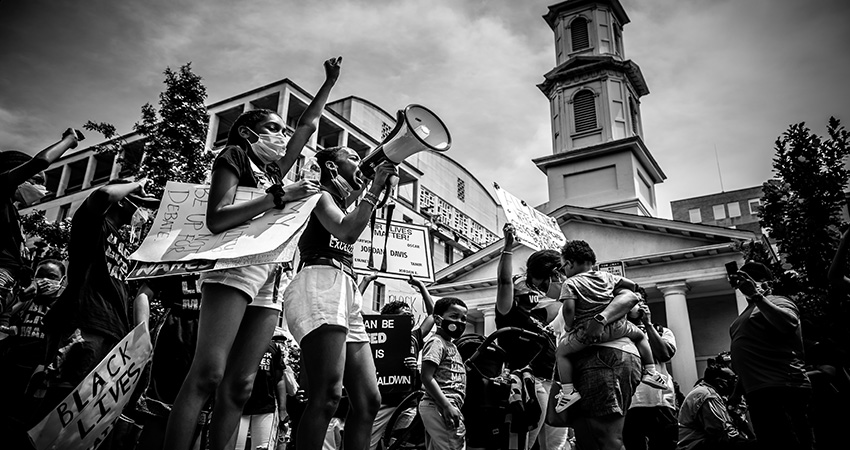
Monica developed curricula centering on democracy and civics to complement Humanities Washington’s 2021-23 Speakers Bureau and better serve K-12 students and teachers. These lessons leverage the deep expertise already present within the Speakers Bureau, making knowledge accessible to a wider audience.
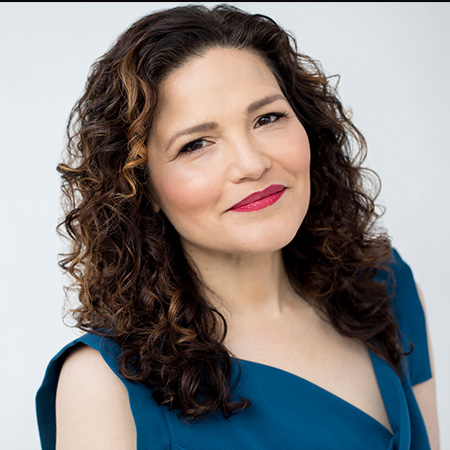
Monica Cortés Viharo (she/her) is an actor, educator, scholar, communications consultant, and alum of the Humanities Washington Speakers Bureau. She earned her PhD in Drama and a Certificate in Public Scholarship at the University of Washington (UW) and currently teaches in the UW American Ethnic Studies department.
Fellow: Kenji Linane-Booey
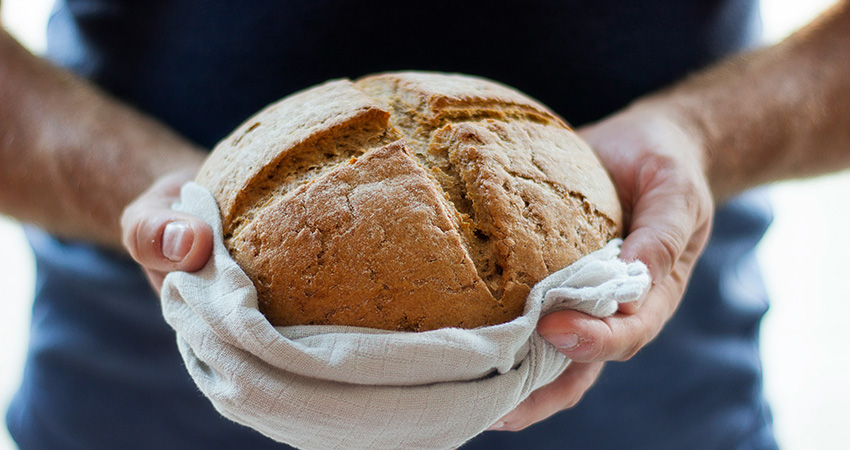
Kenji launched a “Breaking Bread” podcast, in which he interviewed local community leaders over a meal he cooked for them. Using this podcast, community leaders were encouraged to make bold calls to action, sparking community engagement in high school and college classrooms.
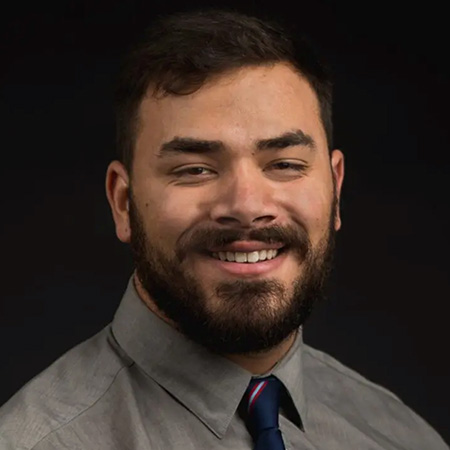
Kenji Linane-Booey (he/him) was born and raised in Spokane, Washington. Meeting others where they are is a core value of who he is, and this belief has given him the opportunity to receive a master’s degree in Organizational Leadership from Gonzaga University, and travel to over 20 countries. Family dinners have always been a diverse place for food and thought, and that is where he learned to embrace his own cultures as a Japanese, Irish, German, Native American, and African American man.